Iftar Habits That Facilitate Digestion: How to Prevent Bloating?

1. The Golden Rule: The Power of Mechanical Digestion (Chewing)
Digestion actually begins in the mouth, not on the plate. The act of chewing not only breaks down food but also starts a biological timer that sends the "satiety" signal to the brain.
The 20-Second Rule: Swallowing each bite at least 20 times allows the food to fully mix with salivary enzymes (amylase). This reduces the burden on the stomach by up to 40%, minimizing the risk of bloating.
Cognitive Convenience: Eating only locally produced and tasting foods allows the brain to manage the digestive process much more effortlessly.
2. The Golden Rule: Strategic Breaks (Soup and Rest)
Our bodies take the main entrance exam after 15 hours of rest; it's like trying to drive a car with a cold engine at full speed.
Ten Minutes of Patience: After breaking the fast with water and dates, gathering a bowl of soup and then taking a break with 10 light meals helps manage the stomach's stretching process. This short break reduces the sudden spike in blood sugar and gives the brain the time it needs to receive the "I'm full" signal.
Small Portions: Eating the main course in small portions ensures a comfortable dinner that relieves pressure on the digestive tract.

3. The Golden Rule: Hydration and the Refreshing Power of Lemon
Fluid intake is the fuel for digestion, but this fuel needs to be consumed at the right time and in the right way.
Warm Water and Lemon: Drinking warm water with lemon after iftar helps regulate stomach acids and aids in the digestion of fatty foods. The vitamin C in lemons stimulates digestion and enzymes, boosting metabolism.
Avoid Cold Drinks: Consuming ice-cold water or carbonated drinks during meals lowers stomach temperature, slowing down enzyme activity and causing bloating.

4. The Golden Rule: Guidance from Digestion-Friendly Herbs
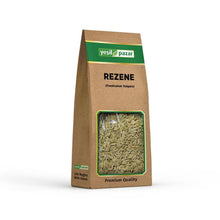
Nature offers plants that contain some of its most effective "assistants" against extinction. Herbs like fennel and anise have been key to digestive quality for thousands of years.
Fennel and Star Anise: A cup of fennel or star anise tea brewed after iftar helps relieve gas by relaxing the smooth muscles in the digestive system. These herbs, with their carminative (gas-relieving) properties, help disperse mid-bloating or heavy pressure.
The Green Market Difference: Green Market's increasingly rich selection of herbal teas ensures a natural and safe brewing experience throughout the process.
5. The Golden Rule: The Physiological Effects of Movement
For moderate comfort, using fuel-efficient and gentle movements speeds up digestive processes.
Light-paced walk: A light walk with 15-20 students an hour after iftar (breaking the fast) can increase peristalsis (upward movement), allowing you to see the food's journey through the digestive tract.
Upright Posture: Sitting upright instead of lying down immediately after eating helps retain stomach contents and prevents loss of comfort.
Conclusion: Lightness is a Choice
Preventing bloating and staying energetic after iftar isn't a list of prohibitions, but a matter of consistent respect. By utilizing these 5 golden rules and natural herbal supplements, you can spend your Ramadan evenings much more peacefully, energetically, and lightly. Green Market is a star of healthy and comfortable Ramadan.
Note: If you have any chronic health conditions, be sure to consult your doctor before using herbal supplements.